A graphic design portfolio is often the single most important factor in whether you get hired, win freelance clients, or secure creative opportunities. In an increasingly competitive industry, your portfolio needs to do more than simply look good — it needs to demonstrate that you can think strategically, communicate visually, and solve real-world problems through design.
For many aspiring designers, that can feel intimidating. There’s a common belief that you need years of experience, dozens of client projects, or an extensive CV before you can create a professional portfolio. In reality, the strongest portfolios are rarely the biggest. They are the clearest, the most focused, and the most thoughtfully presented.
Whether you’re aiming for agency work, freelance projects, remote creative roles, or a full-time design career, learning how to build a portfolio properly can dramatically improve your chances of getting noticed.
Start With Strategy, Not Just Style
One of the most common mistakes beginner designers make is treating their portfolio like an art gallery. Beautiful visuals alone are rarely enough to impress employers or clients for long. What people really want to understand is how you think.
Strong portfolios show evidence of decision-making. They reveal that the designer understands communication, audience psychology, branding, typography, and visual hierarchy — not just aesthetics.
A portfolio should quietly answer questions like:
-
Can this designer communicate ideas clearly?
-
Do they understand branding and layout?
-
Can they apply their style across different formats?
-
Would I trust them with a professional brief?
That means every project should have a purpose behind it. Instead of uploading isolated logos or disconnected visuals, think about the wider story surrounding the work. What problem were you solving? Who was the audience? Why did you choose certain colours, typography, or layouts?
“A portfolio should show how a designer thinks, not just what they can make,” says Yamira, Academy Graphic Design Tutor, “The students who stand out are usually the ones who can explain the reasoning behind their creative decisions and connect those decisions back to a communication goal.”
The strongest portfolios feel intentional. They demonstrate clarity of thought as much as creative talent.
Quality Matters More Than Quantity
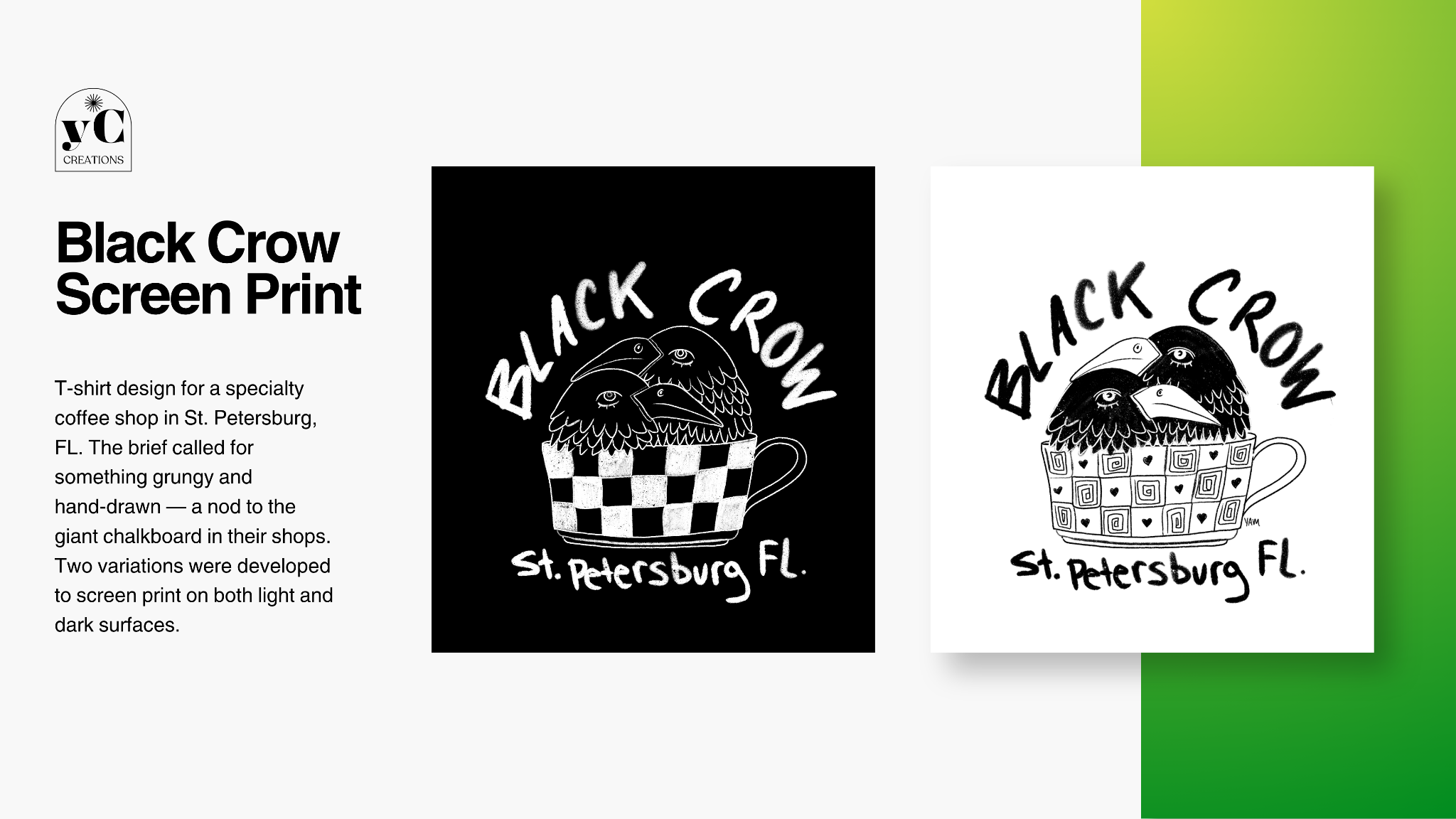
A common misconception is that a portfolio needs to contain dozens of projects to appear professional. In reality, most creative directors would rather see four excellent projects than fifteen average ones.
Carefully selected work creates a stronger impression because it allows your best ideas to shine. Including weaker projects simply to “fill space” can actually dilute the quality of your portfolio overall.
Instead of focusing on volume, concentrate on creating a small number of projects that demonstrate range and depth. Ideally, your portfolio should showcase:
-
branding and identity design
-
typography and layout skills
-
digital design capability
-
consistency across multiple touchpoints
-
creative problem-solving
A strong project presented professionally will always outperform a large collection of unfinished or inconsistent work.
Show Your Work In Context
Presentation plays a huge role in how your portfolio is perceived. Even excellent design work can feel amateurish if it’s displayed poorly.
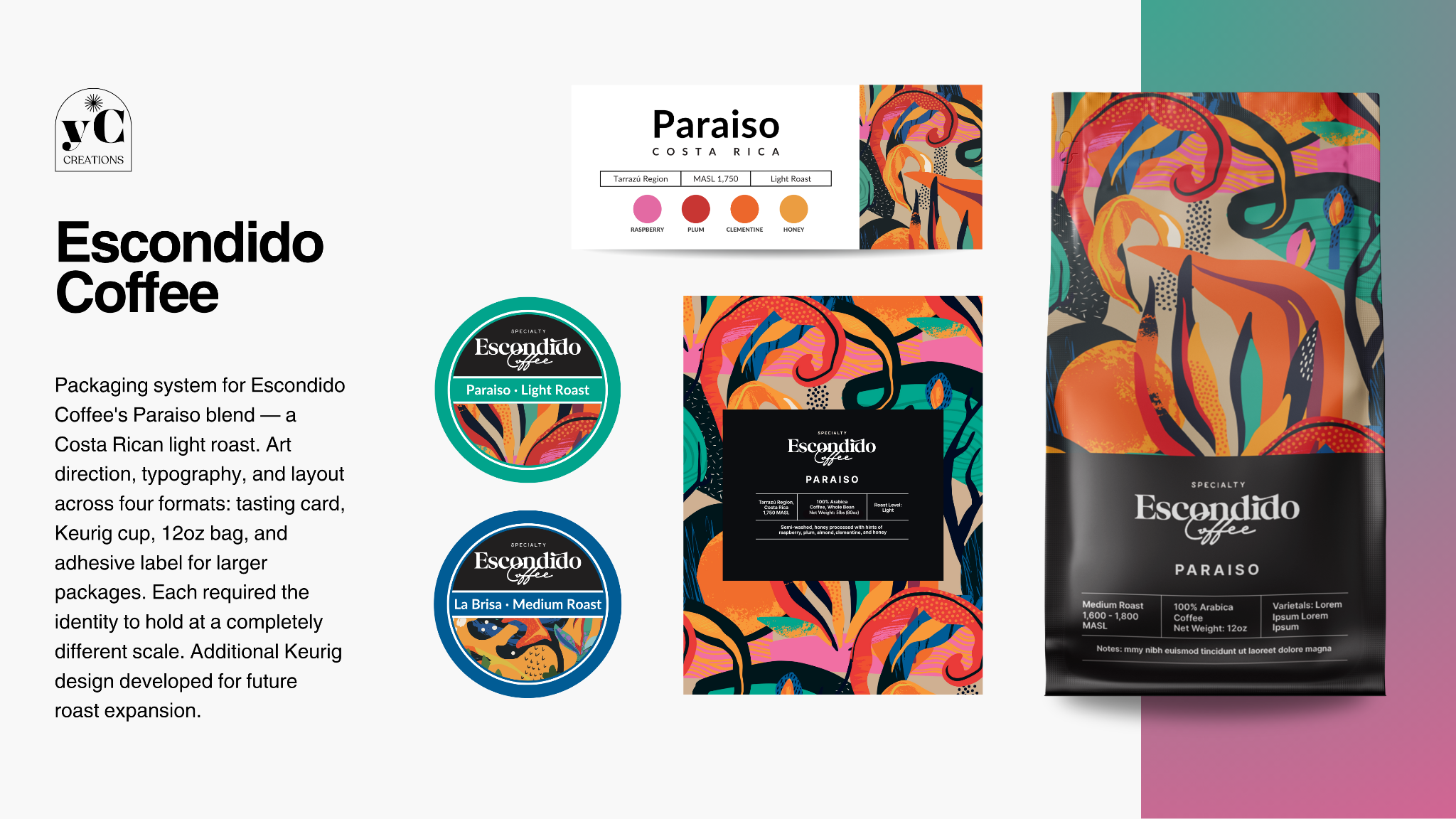
One of the easiest ways to elevate a portfolio is to present projects in real-world contexts. Rather than showing a logo floating on a white background, place it within a believable visual system. Show how the identity might appear on packaging, websites, posters, menus, social media graphics, signage, or mobile screens.
A café brand becomes far more convincing when viewers can see it applied to takeaway cups, storefront signage, and Instagram posts. Context transforms a simple visual into a functioning brand experience.
“Context changes everything,” explains Yamira, “Even a simple student project can look highly professional when it’s presented as part of a cohesive visual system. Strong mock-ups help viewers understand how a brand behaves in the real world.”
This approach also demonstrates commercial thinking — something employers value enormously.
Employers Want To See Your Process
Finished visuals are important, but process matters too.
Many portfolios fail because they only show polished outcomes without revealing how those outcomes were developed. Employers and clients are often just as interested in your thinking as your final execution.
For each project, try briefly explaining:
-
the original design brief
-
the intended audience
-
your creative direction
-
any challenges you solved
-
why your solution was effective
You don’t need to write long essays. A few concise paragraphs are usually enough to provide valuable insight into your approach.
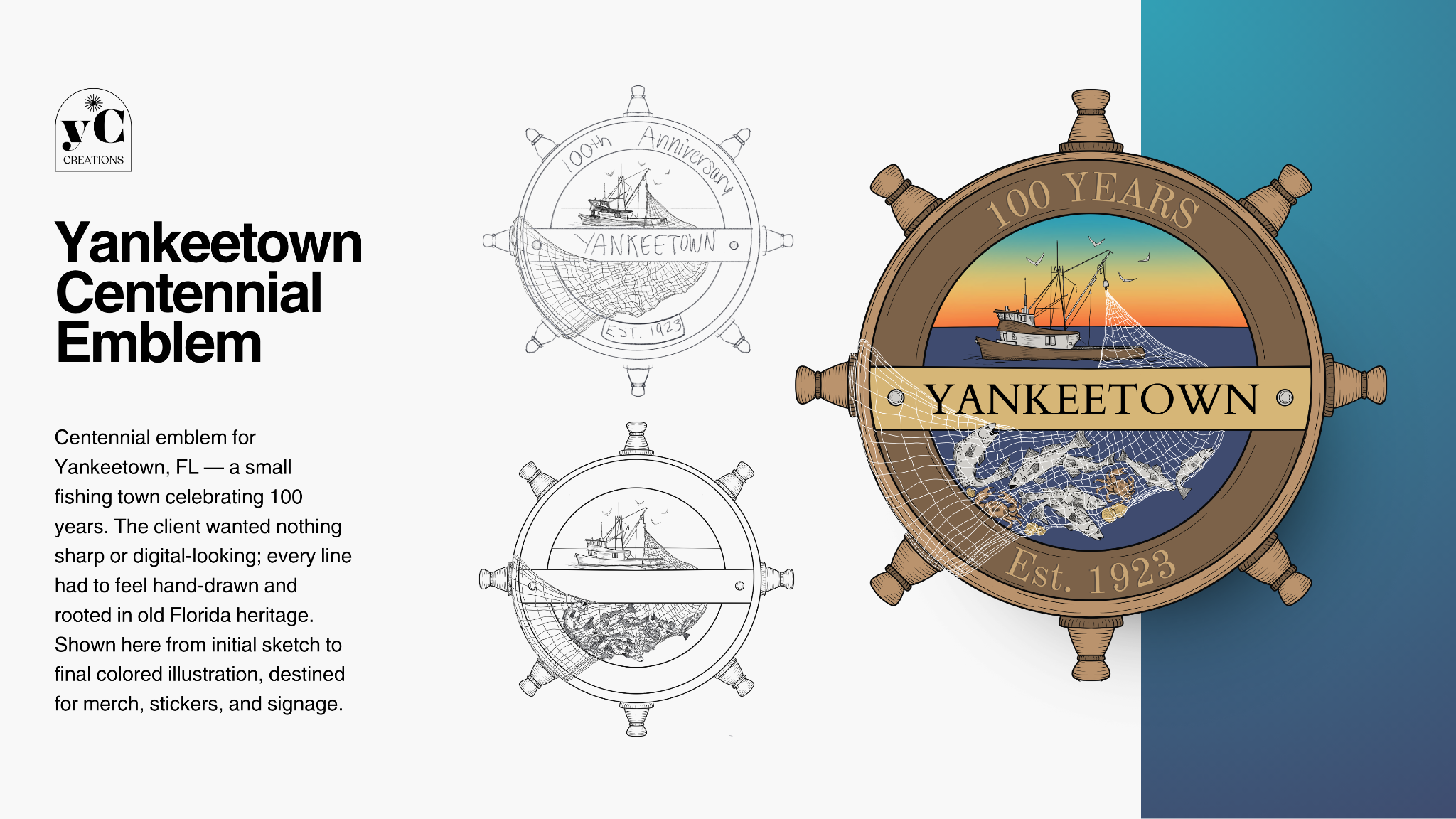
Including early sketches, mood boards, typography exploration, or wireframes can also strengthen a project considerably. It demonstrates that you understand design as a strategic process rather than simple decoration.
Build The Kind Of Portfolio That Matches Your Goals
Your portfolio should reflect the type of work you want to attract.
If you’re hoping to work in branding, your portfolio should focus heavily on identity systems, typography, and brand applications. If you’re more interested in UI or digital design, then website layouts, app screens, user journeys, and responsive interfaces should play a bigger role.
Trying to appeal to everyone often creates a portfolio that feels unfocused. The strongest designers usually communicate a clear creative direction.
That doesn’t mean every project needs to look identical, but there should be a sense of consistency in how you think, present ideas, and approach visual communication.
The easier it is for employers or clients to understand your strengths, the easier it becomes for them to imagine hiring you.
Personal Projects Can Be Powerful
One of the biggest myths in the creative industries is that you need paid client work before you can build a professional portfolio.
In reality, many successful designers land their first freelance clients or agency jobs using self-initiated projects.
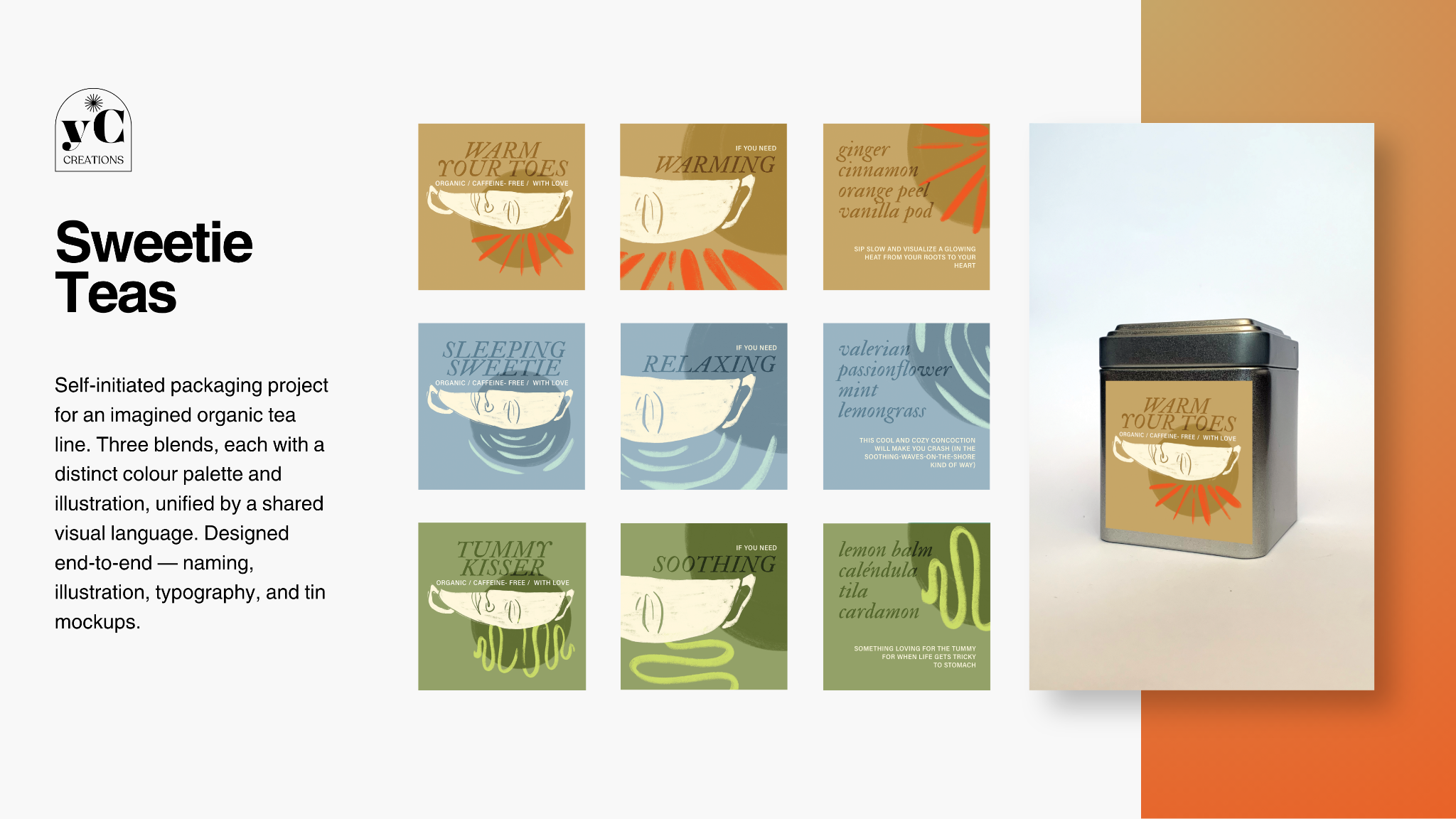
Personal projects often produce stronger work because they allow for greater experimentation and creative freedom. You can choose industries you genuinely enjoy, explore your ideal visual style, and create the kind of projects you’d eventually like to be hired for professionally.
A fictional skincare brand, a reimagined music festival identity, or a conceptual social campaign for a charity can all become compelling portfolio pieces when thoughtfully executed.
“Some of the strongest portfolios we see are built around passion projects,” says Yamira, “When students genuinely care about the subject matter, the work almost always becomes more original and visually confident.”
Personal projects also demonstrate initiative — a quality employers consistently value.
Keep Your Portfolio Simple And Easy To Navigate
A strong portfolio should feel effortless to explore.
Overly complicated layouts, excessive animation, or cluttered navigation can distract from the work itself. In many cases, simple portfolios appear far more professional because they allow the projects to take centre stage.
Your portfolio website doesn’t need dozens of pages. Usually, a clean structure is enough:
-
Home
-
Portfolio
-
About
-
Contact
Remember that your portfolio itself is also a design project. Employers will subconsciously judge your typography, spacing, layout, usability, and overall presentation.
Good design is often invisible. The smoother the viewing experience feels, the more professional your work will appear.
Your About Page Matters More Than You Think
Design is personal. People don’t just hire portfolios — they hire individuals.
A strong About page helps employers and clients connect with you as a designer. It should communicate your creative interests, your design approach, and the kind of work you enjoy most.
Avoid generic statements like:
“I’m passionate about design.”
Instead, aim for specificity and personality.
For example:
“I specialise in clean, contemporary branding for lifestyle and hospitality businesses, combining typography-led design with emotionally engaging visual systems.”
That immediately sounds more confident, memorable, and professional.
Keep Improving Your Portfolio Over Time
No portfolio is ever truly finished.
As your skills evolve, your portfolio should evolve too. One of the clearest signs of growth is the ability to edit your own work critically and remove projects that no longer represent your abilities.
A designer with five polished, current projects will often appear more employable than someone displaying fifteen outdated student pieces.
Refreshing your presentation regularly, updating case studies, improving mock-ups, and refining your visual identity all help keep your portfolio feeling current and professional.
What Employers Really Look For
Many aspiring designers assume employers are searching primarily for artistic talent. While visual ability certainly matters, most hiring decisions are based on something broader: confidence.
Employers want reassurance that you can think clearly, communicate professionally, solve problems creatively, and present ideas effectively.
A polished portfolio signals all of those things. It demonstrates judgement, organisation, consistency, and attention to detail.
That’s especially important in today’s rapidly evolving creative industries, where demand for digital design skills continues to grow across branding, content creation, marketing, and online business. Graphic design education has also seen strong recent growth as more learners pursue careers in digital creative industries.
Ultimately, a great portfolio doesn’t just showcase design work. It builds trust.
Build A Portfolio With Professional Guidance
Every successful graphic designer starts somewhere — and building a strong portfolio is often the turning point between learning design and working professionally in the creative industries.
While it’s possible to teach yourself design fundamentals, structured learning can dramatically accelerate your progress. Working with experienced tutors, receiving constructive feedback, and completing industry-style projects helps you develop both technical skills and portfolio-ready work.
At the Academy, our graphic design courses are designed to help students build professional creative portfolios while developing confidence in branding, typography, digital design, visual communication, and creative thinking.
Whether you’re starting from scratch or looking to refine existing skills, studying graphic design can help you create the kind of portfolio that attracts employers, freelance clients, and creative opportunities.
If you’re ready to build a portfolio that gets attention — and gets results — explore our graphic design courses today.

Yamira Castellano, Graphic Design Tutor
Yamira holds a master's degree in Digital and Visual Media from IE Business School and a Bachelor's in Digital Arts and Sciences from the University of Florida. With over four years of commercial experience as a freelance Graphic Designer, she collaborates with private and corporate clients across Europe and the U.S. from diverse sectors. Yamira specializes in creative visual solutions including marketing collateral, content creation, and product packaging. With a passion for brand aesthetics and innovative design, she consistently pushes the boundaries of creativity to develop the most effective visual strategies.